The Cinematic Legacy of Czechoslovak Filmmakers is a story of artistic courage, cultural identity, and generational influence. Among the most meaningful contributors to this legacy are Ota Hofman and Ota Dvorský, whose personal and professional journeys shaped Czech filmmaking during some of the most politically turbulent decades of the twentieth century.
Working within the historic environment of Barrandov Studios, Hofman developed stories that resonated deeply with audiences while navigating the pressures of Soviet-era censorship. Decades later, Dvorský preserved and reflected upon this creative heritage, ensuring that his father’s contributions remained visible within the larger narrative of Czech cinema. Family legacy plays a defining role in their story. The cinematic legacy of these filmmakers is not just about individual achievement; it is about how artistic values, resistance, and storytelling traditions pass from one generation to the next.
Why the Cinematic Legacy of Czechoslovak Filmmakers Matters
The cinematic legacy of Czechoslovak filmmakers matters because it preserves more than films; it preserves identity. During periods of political control, cinema often became one of the few spaces where cultural expression could survive.
Ota Hofman’s cinematic legacy in Czechoslovak cinema demonstrates how filmmakers used creativity to challenge restrictions subtly. His work, particularly in children’s cinema, carried deeper themes of individuality, imagination, and moral clarity. These themes were not accidental; they reflected a quiet resistance to ideological conformity.
Cinematic legacy and cultural influence are inseparable. The films produced during this era helped maintain a sense of Czech identity when political systems sought to reshape it. Through storytelling, filmmakers preserved values, humor, and national character.
Personal legacy also shapes how history is remembered. Ota Dvorský’s reflections on his father’s work illustrate how the role of family legacy in cinematic history ensures that these contributions are not forgotten.
Key Themes in the Cinematic Legacy of Czechoslovak Filmmakers
Cinematic Legacy in History
Cinematic legacy in history reflects how filmmakers like Hofman and Dvorský influenced the cultural and political landscape of their time. Cinema in Czechoslovakia was never created in isolation; it existed within a complex web of state oversight and creative ambition. Hofman’s storytelling contributed to a broader movement within Czech cinema that balanced artistic integrity with survival.
Cinematic Legacy and Cultural Influence
Cinematic legacy and cultural influence are visible in how these films resonated with audiences. Hofman’s works provided both escapism and subtle commentary. By focusing on children’s narratives, he reached families and future generations, ensuring that cultural identity was nurtured even under constraint.
Role of Family Legacy in Cinematic History
The role of family legacy in cinematic history becomes especially clear through Dvorský’s work. Personal family stories provide context that official archives cannot fully capture.
By recounting his father’s experiences, Dvorský adds depth to our understanding of Czech filmmaking. Family legacy humanizes history. It shows the personal risks, creative struggles, and ethical decisions behind every production.
1. Ota Hofman: Artistic Defiance and Legacy
Ota Hofman’s career stands as a testament to artistic defiance. Known for his significant contributions to children’s cinema, he mastered the art of layered storytelling. On the surface, his films appeared simple and imaginative. Beneath that surface lay themes of freedom, integrity, and resilience.
During the Soviet-influenced era, censorship imposed strict limitations. Yet Hofman navigated these constraints with intelligence and subtlety. Rather than confrontation, he used metaphor and character-driven narratives to preserve Czech identity.
Ota Hofman’s cinematic legacy in Czechoslovak cinema represents more than technical achievement it symbolizes cultural preservation. His work affirmed creativity as a form of quiet resistance.
2. Ota Dvorský: Preserving His Father’s Cinematic Legacy
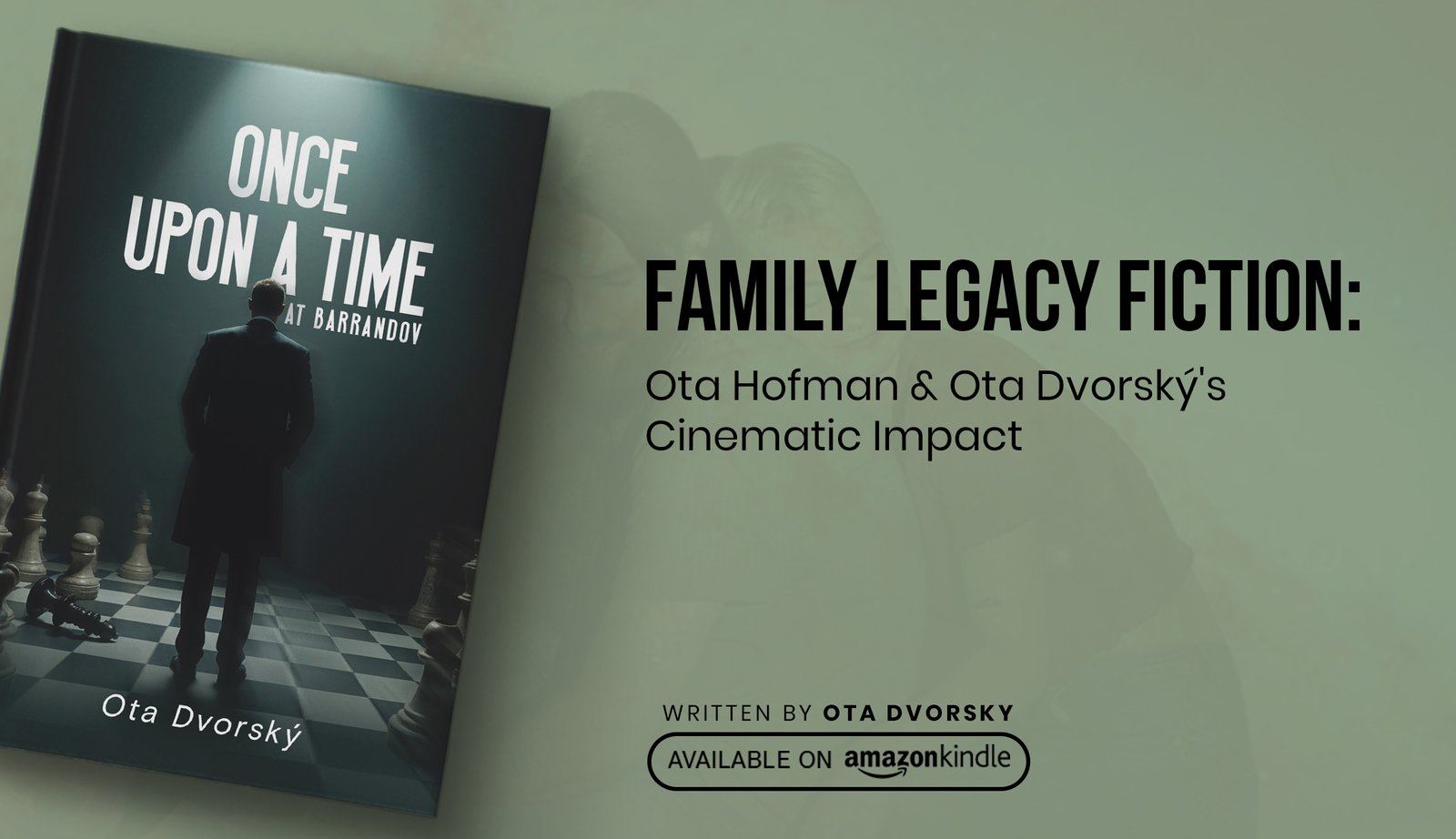
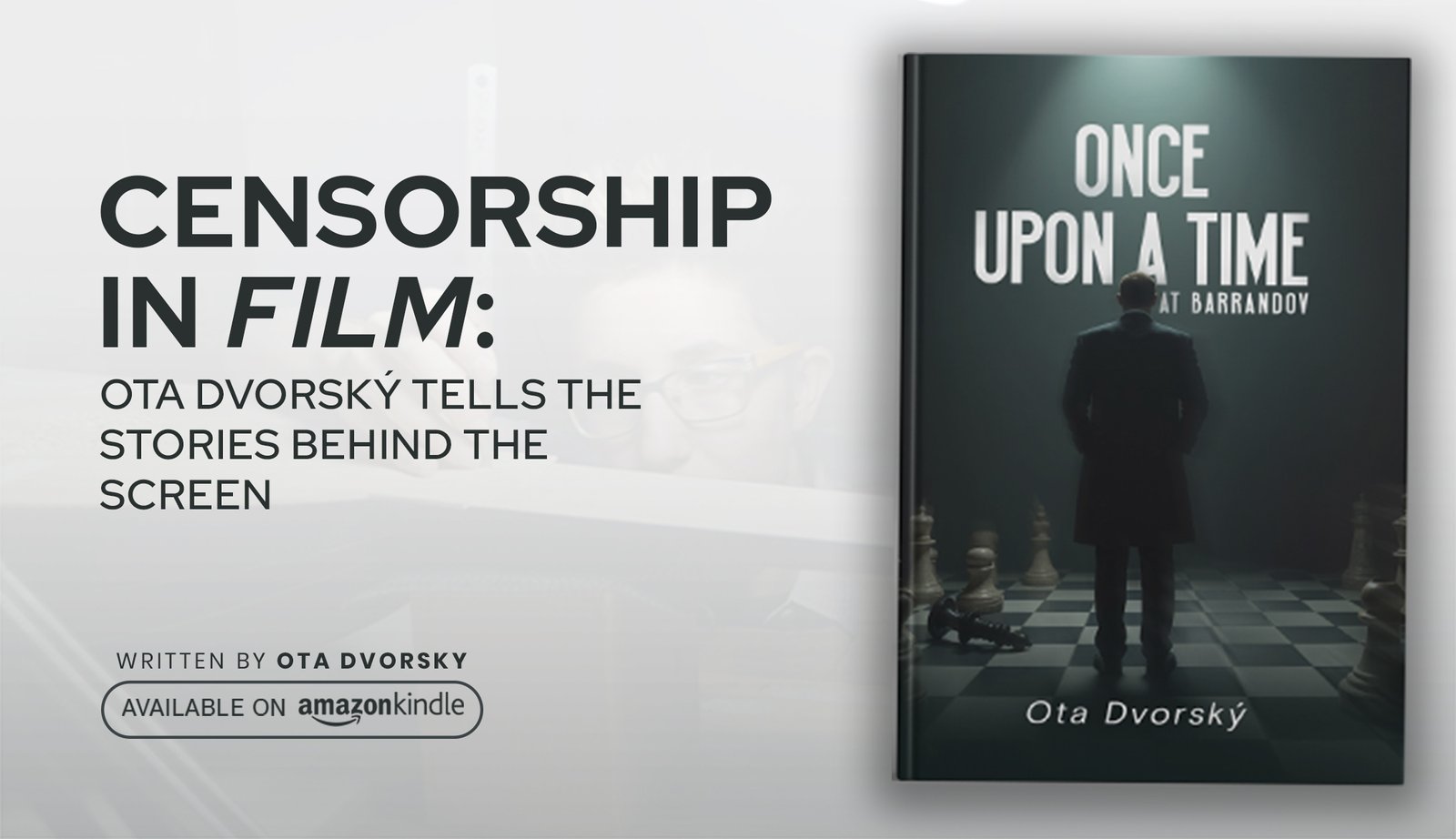
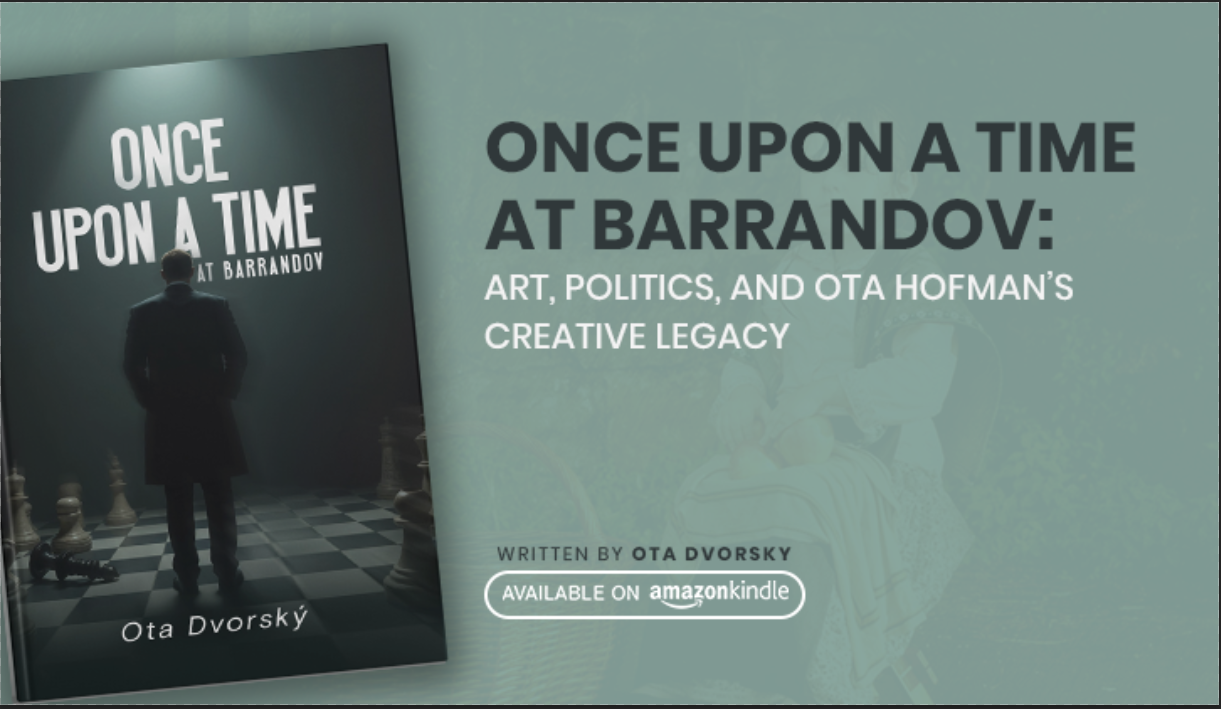
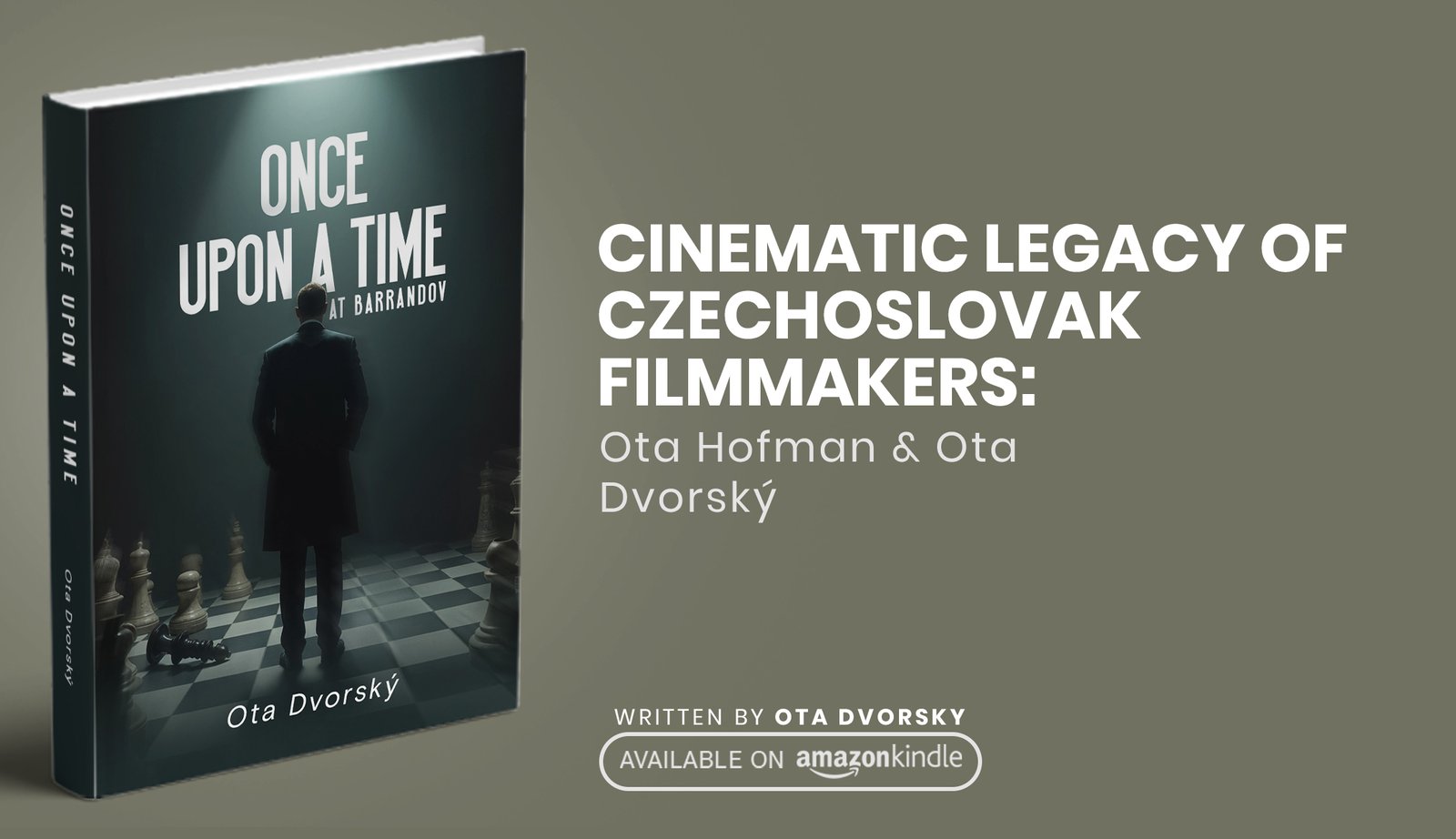
In Once Upon a Time at Barrandov, Ota Dvorský pays tribute to his father’s life and artistic contributions. The book serves as both memoir and historical reflection, connecting family memory to national cinema.
Dvorský’s effort represents preserving cinematic legacy through filmmaking and literature. By documenting personal experiences at Barrandov Studios and the broader context of Czech cinema, he safeguards a legacy that might otherwise fade from public consciousness.
His work underscores how the role of family legacy in cinematic history shapes how future generations understand the past. It ensures that Hofman’s creative courage remains visible within the evolving story of Czech film.
3. Preserving Cinematic Legacy Through Filmmaking
The cinematic legacy of Hofman and Dvorský extends beyond artistic output. It demonstrates how storytelling safeguards cultural identity during periods of political oppression.
Preserving cinematic legacy through filmmaking involves more than archiving films; it requires contextualizing them within their historical moment. Hofman’s films, paired with Dvorský’s reflections, provide that context.
Their combined work shows how family storytelling can reinforce national memory. In times when political narratives attempt to dominate cultural space, cinema becomes a quiet guardian of truth.
The Role of Cinematic Legacy in Shaping Modern Cinema
The role of cinematic legacy in shaping modern cinema is profound. Contemporary Czech filmmakers inherit not only techniques and traditions but also values.
The courage and subtle resistance embodied by Hofman continue to inspire filmmakers who face new forms of creative constraint. Modern cinema often draws upon historical examples to navigate present challenges.
Family legacy also influences modern filmmaking directly. When stories and artistic principles pass from parent to child, they create continuity within the industry. The legacy of Czechoslovak cinema, therefore, becomes both a historical foundation and a creative inspiration.
Best Books on Cinematic Legacy and Czechoslovak Filmmakers
Readers interested in exploring cinematic legacy in history should begin with Once Upon a Time at Barrandov, which offers an intimate perspective on Czech filmmaking and family legacy.
Additional works on the legacy of Czechoslovak cinema provide broader historical analysis, examining how filmmakers navigated censorship, cultural identity, and political change.
Books that combine memoir with film history are especially valuable, as they illuminate both personal experience and artistic impact.
Where to Buy Books on Cinematic Legacy
Books about the cinematic legacy of Czechoslovak filmmakers can be found on platforms such as Amazon, as well as in specialized bookstores that focus on European cinema, film history, and cultural studies.
Digital editions make these works accessible to international readers, ensuring that the legacy of Czechoslovak cinema reaches audiences beyond Czech borders.
Final Thoughts on the Cinematic Legacy of Ota Hofman & Ota Dvorský
The cinematic legacy of Ota Hofman and Ota Dvorský continues to resonate within Czech culture and the broader history of film. Their story illustrates how art can endure through political turbulence and how family legacy strengthens that endurance.
Ota Hofman’s cinematic legacy in Czechoslovak cinema reflects artistic resilience and cultural preservation. Ota Dvorský’s dedication to documenting and honoring that work ensures it remains part of the ongoing conversation about film history.
FAQs
Q1: What is the Cinematic Legacy of Czechoslovak Filmmakers?
A1: The cinematic legacy of Czechoslovak filmmakers refers to the lasting influence of filmmakers like Ota Hofman and Ota Dvorský on Czech cinema, particularly through their artistic contributions and family legacy in the industry.
Q2: How does Once Upon a Time at Barrandov explore family legacy?
A2: The book delves into Ota Dvorský’s tribute to his father’s work, preserving the family legacy of Ota Hofman and reflecting their contributions to Czechoslovak cinema.
Q3: How does cinematic legacy shape modern cinema?
A3: Cinematic legacy shapes modern cinema by preserving the artistic and cultural contributions of filmmakers, like Hofman and Dvorský, whose work continues to inspire filmmakers and influence the industry.
Q4: Are there other books focused on cinematic legacy in Czech cinema?
A4: Yes, books like Once Upon a Time at Barrandov focus on cinematic legacy and Czechoslovak filmmakers, highlighting their lasting impact on the film industry.
Q5: Where can I find books on cinematic legacy?
A5: Books about cinematic legacy and Czechoslovak cinema can be found on platforms like Amazon and specialized bookstores that focus on historical fiction and cinema history.