Censorship in film shaped the creative lives of countless artists in twentieth-century Czechoslovakia. Filmmakers, writers, and storytellers were forced to work within strict ideological boundaries, where every narrative choice was examined through a political lens. Among those navigating this environment was Ota Hofman, whose career unfolded under constant pressure to conform while still producing meaningful work.
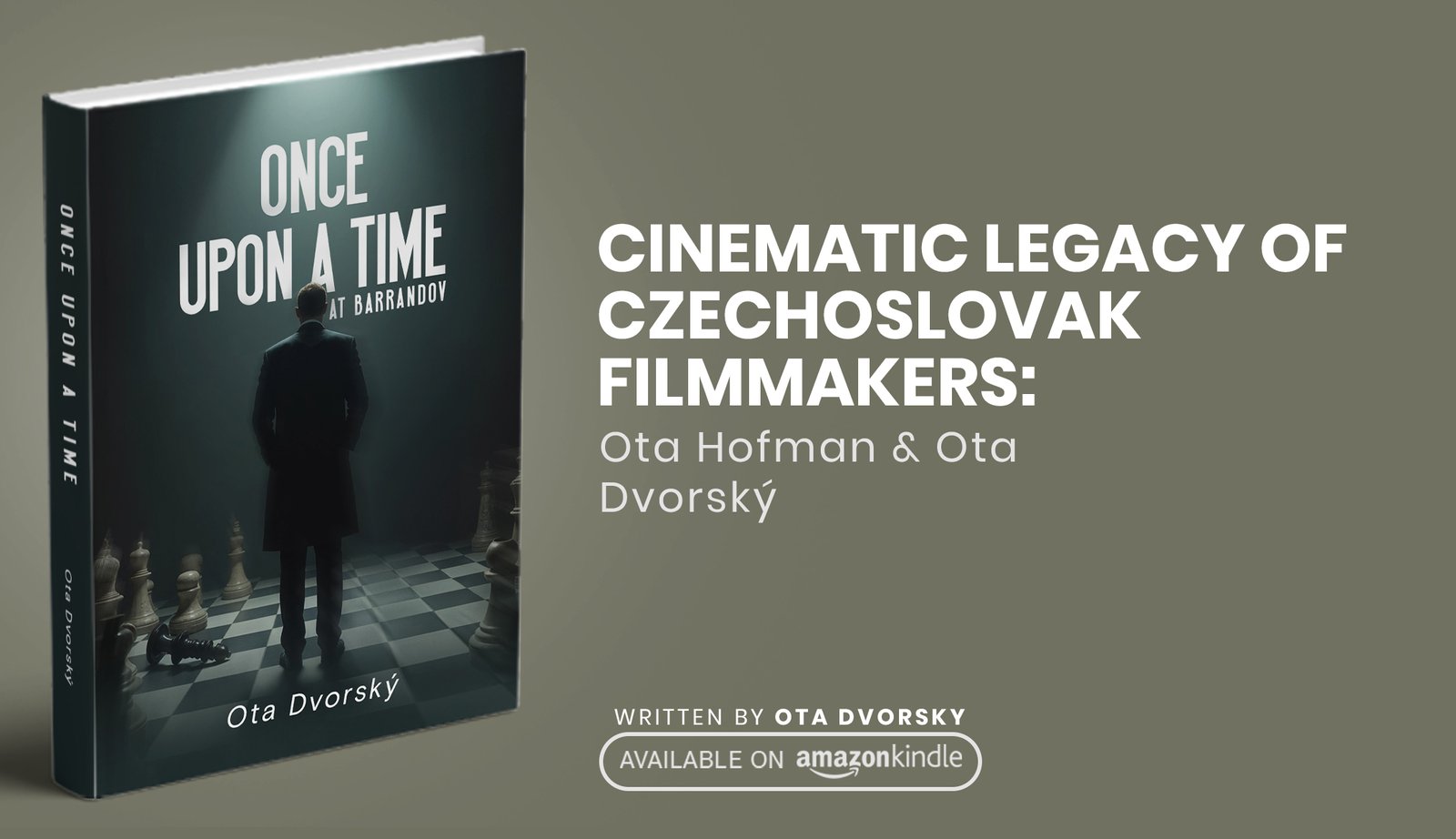
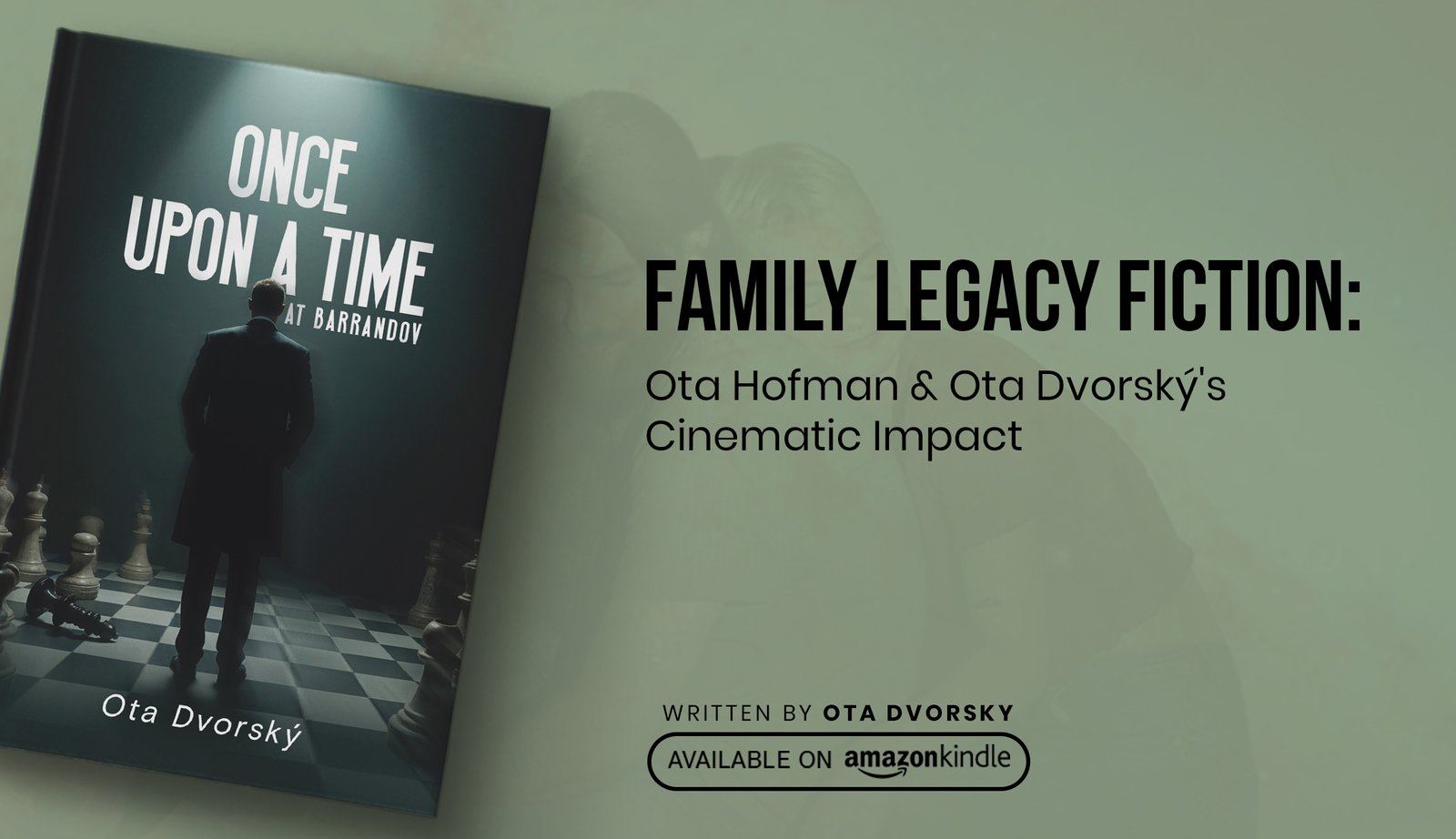
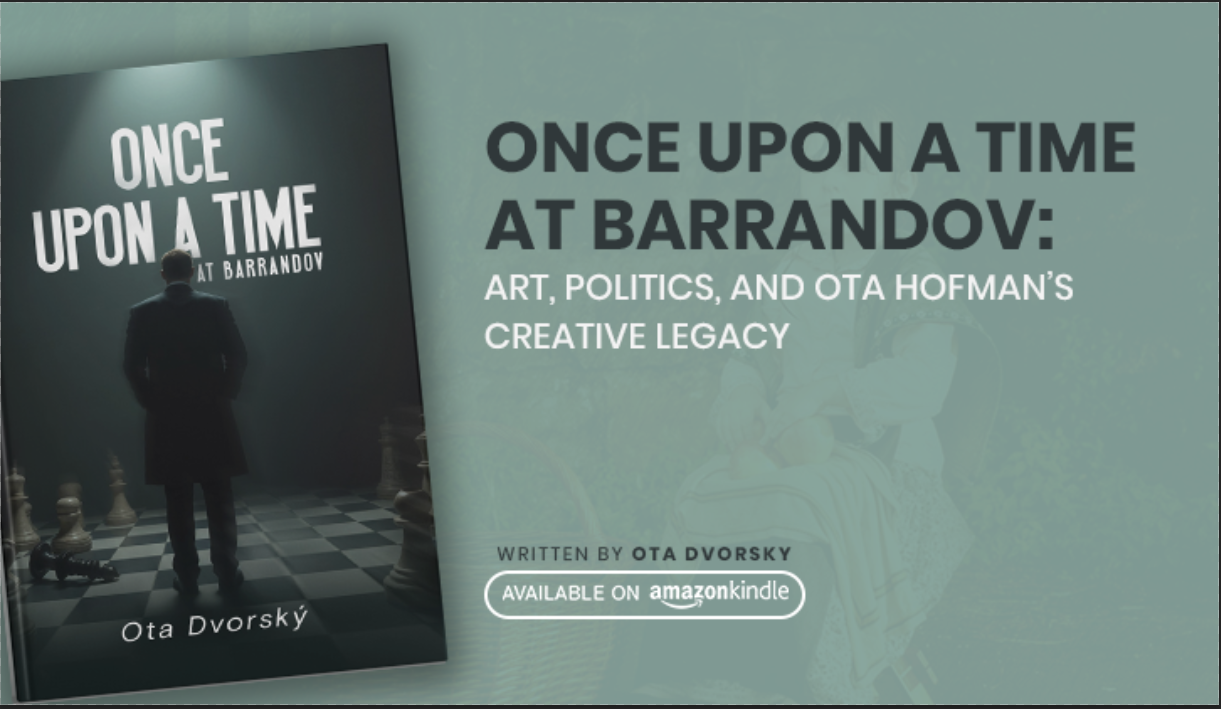
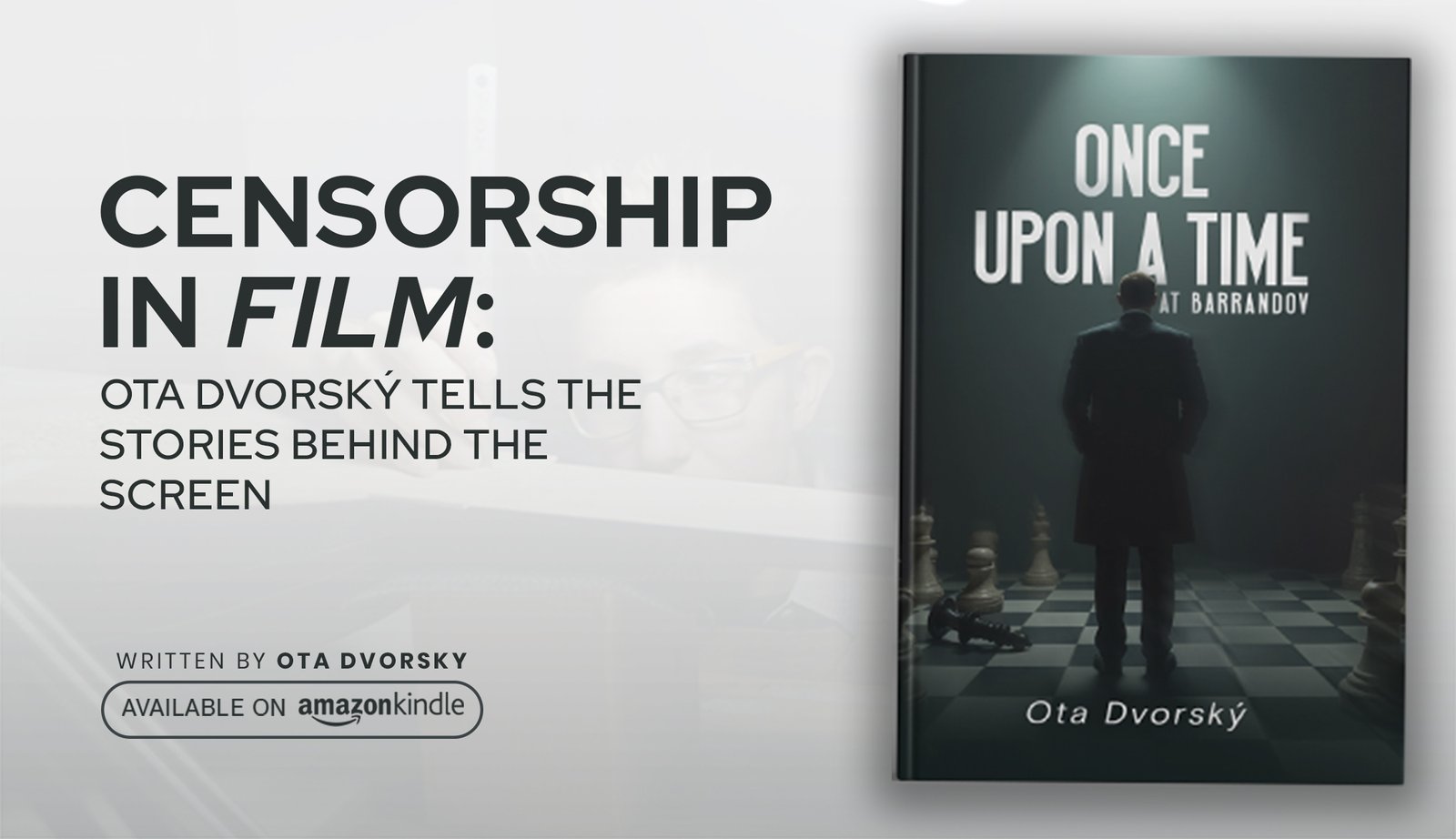
Today, his son Ota Dvorský brings these hidden experiences to light. Through Once Upon a Time at Barrandov, Dvorský transforms personal memory and cultural history into a compelling historical fiction book. By exploring film censorship, art and politics, and human resilience, he bridges the past and present for modern readers. Available on Amazon, the book introduces global audiences to Czechoslovakia culture, revealing how creativity survives even when expression is limited. Rather than presenting censorship as an abstract concept, Dvorský humanizes it, showing how it shaped lives, choices, and stories behind the screen.
Ota Dvorský: The Author Preserving a Legacy
Ota Dvorský occupies a unique position as both author and witness. As the son of Ota Hofman, he inherited not only personal memories but also the responsibility of preserving a creative legacy shaped by censorship in film. His motivation goes beyond biography; it is rooted in the desire to show how creativity and integrity survive under pressure.
Dvorský approaches storytelling with sensitivity and balance. He blends documented history, family experiences, and imaginative reconstruction to create narratives that feel authentic and emotionally grounded. This method allows readers to connect with stories of resilience rather than distant historical facts. By focusing on individuals rather than ideology, Dvorský makes the creative struggles of the past accessible and relevant. His work ensures that the emotional cost of art and politics colliding is neither forgotten nor oversimplified, preserving Hofman’s voice for future generations.
The Challenges of Storytelling Under Censorship
For Ota Hofman, film censorship was a constant presence rather than an occasional obstacle. Political oversight influenced which stories could be told, how characters behaved, and what moral conclusions were acceptable. Creativity required vigilance, restraint, and adaptability.
Hofman responded by developing indirect storytelling techniques. Allegory, metaphor, and fairy tales allowed messages to exist beneath the surface, understood by audiences without drawing official attention. Ota Dvorský translates these methods into narrative form through historical fiction, helping modern readers understand how creativity adapts under restriction. By revealing these techniques, he demonstrates that censorship did not silence storytelling; it reshaped it.
From Personal History to Historical Fiction
Transforming personal history into historical fiction allows Dvorský to convey emotional truth alongside factual context. Rather than presenting events as static history, he invites readers into lived experience, moments of fear, hope, compromise, and quiet determination.
This approach captures moral complexity that traditional historical accounts often overlook. Through storytelling, readers experience what it means to create under censorship in film, not just intellectually but emotionally. Dvorský’s narrative connects readers to the human side of political control, illustrating how ordinary creative decisions carried extraordinary weight. By blending memory and imagination, he ensures that history feels immediate, personal, and deeply human.
Fairy Tales and Hidden Meanings Reimagined
Fairy tales played a vital role in Hofman’s creative survival. Their innocent appearance made them ideal vehicles for moral lessons, social values, and subtle resistance. Beneath simple plots lay deeper meanings that resonated with audiences while remaining acceptable to authorities.
Dvorský preserves and reimagines these creative stories in Once Upon a Time at Barrandov. Through historical fiction, he translates historical subtlety into narratives modern readers can appreciate. These reinterpreted fairy tales educate as much as they entertain, demonstrating how imagination carried ethical meaning even under film censorship. Dvorský’s skill lies in maintaining this balance, honoring the original intent while making it accessible to contemporary audiences.
Courage, Compromise, and Storytelling
Dvorský portrays Hofman’s life as a continuous negotiation between courage and survival. Absolute defiance often meant professional exile, while total compliance risked creative emptiness. Hofman’s path lay between these extremes, marked by compromise without surrender.
Through his writing, Dvorský highlights the courage required to make these choices. His narrative emphasizes stories of resilience, focusing on persistence rather than rebellion. By framing storytelling itself as an act of endurance, the book reveals how art and politics shaped not only careers but identities. Creativity, in this context, becomes a quiet form of resistance rooted in ingenuity and moral resolve.
Making the Past Accessible: The Global Reach of Once Upon a Time at Barrandov
Once Upon a Time at Barrandov is more than a historical account—it is a bridge between generations and cultures. Through historical fiction, Ota Dvorský brings Czechoslovakia culture, artistic struggle, and creative resilience to readers around the world. By presenting history through personal narrative, he transforms local experience into universal insight.
The book’s availability on Amazon ensures global access, allowing readers far beyond Central Europe to engage with these stories. Dvorský’s contribution lies not only in preservation but in translation, making complex historical realities understandable and emotionally relevant. By sharing Hofman’s experiences, he inspires readers to value creativity, courage, and moral integrity. The global reach of the novel proves that stories shaped by censorship in film still resonate, offering lessons that transcend time and place.
Conclusion
Ota Dvorský’s work demonstrates the power of authorship to preserve meaning. Through historical fiction, he honors his father’s creative legacy while illuminating the realities of censorship in film. Once Upon a Time at Barrandov transforms personal and cultural history into an enduring narrative.
By focusing on human resilience rather than political doctrine, the book reminds readers that creativity survives even under constraint. Dvorský’s storytelling ensures that these lessons continue to inspire new generations, affirming the lasting value of imagination, courage, and memory.
FAQs
Who is Ota Dvorský?
The author of Once Upon a Time at Barrandov is preserving the creative legacy of his father.
How does the book address censorship?
By translating allegory, metaphor, and fairy tales into historical fiction that reveals life under film censorship.
Why is historical fiction important for this story?
It conveys emotional truth, moral complexity, and resilience beyond traditional historical records.
What role do fairy tales play in the book?
They represent subtle resistance, ethical values, and creative survival.
Where can readers find the book?
Available on Amazon for readers worldwide.