Family Legacy Fiction explores how personal histories shape artistic expression and cultural memory. Few examples illustrate this better than Ota Hofman and Ota Dvorský, whose intertwined contributions left a lasting imprint on Czechoslovak cinema.
Their work, especially during the politically charged decades of the 1960s and 1970s, reveals how family legacy stories can illuminate broader historical realities. Working within the creative powerhouse of Barrandov Studios, Hofman crafted narratives that subtly resisted Soviet censorship, while Dvorský later documented and preserved this artistic heritage.
Through their experiences, we see how personal narratives and historical fiction legacy themes intertwine. Their story is not only about cinema, but it is also about resilience, memory, and the enduring power of artistic legacy in history.
Why Family Legacy Matters in Fiction
Family legacy fiction provides a powerful framework for understanding history. Rather than presenting events as distant facts, it humanizes them through generational storytelling.
In the case of Hofman and Dvorský, their personal contributions reveal how individual family stories shape broader cultural landscapes. Their cinematic work reflects the tension between artistic freedom and political control during the Cold War era in Czechoslovakia.
The role of family legacy in historical fiction becomes especially significant in politically restrictive environments. Stories passed down within families preserve truth when official narratives attempt to distort it. Through cinema, Hofman embedded subtle commentary into children’s films, while Dvorský later contextualized these efforts within their historical framework.
Their legacy demonstrates that family stories are not isolated memories; they are essential threads in the tapestry of national identity.
Key Themes in Family Legacy Fiction
Family Legacy Stories: Hofman and Dvorský’s personal histories shaped their creative output and left an indelible mark on Czech cinema. Their shared narrative reflects how artistic identity can be passed from one generation to another.
Legacy in History: Their work influenced cultural and political conversations in Czechoslovakia. By preserving creative integrity under pressure, they contributed to a broader resistance against ideological conformity.
The Role of Family Legacy in Historical Fiction: Their films and writings reveal how family narratives can frame larger political struggles, particularly in works that quietly defied Soviet censorship.
1. Ota Hofman: Artistic Defiance and Legacy
Ota Hofman’s artistic career was defined by both creativity and courage. Known primarily for his contributions to children’s cinema, he developed stories that celebrated imagination and moral clarity at a time when artistic expression was closely monitored.
Hofman’s legacy in historical fiction lies in his ability to encode themes of individuality and resilience within seemingly simple narratives. Working under Soviet oversight, he navigated censorship with subtlety and intelligence.
His family legacy in historical fiction illustrates the bravery required to create meaningful art in restrictive systems. Through his storytelling, Hofman preserved elements of Czech cultural identity that might otherwise have been suppressed.
2. Ota Dvorský: A Son’s Tribute to a Cinematic Legacy
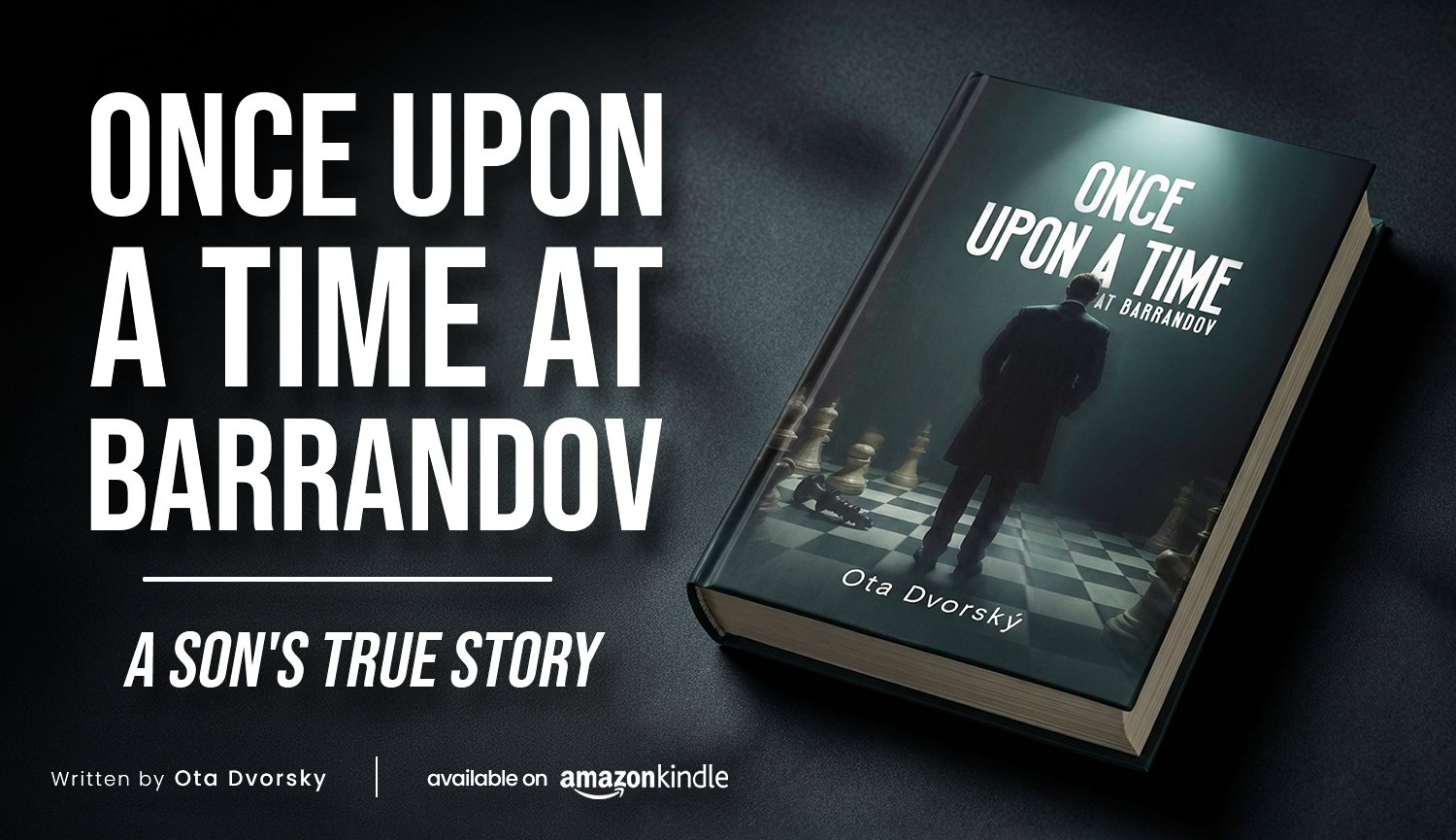
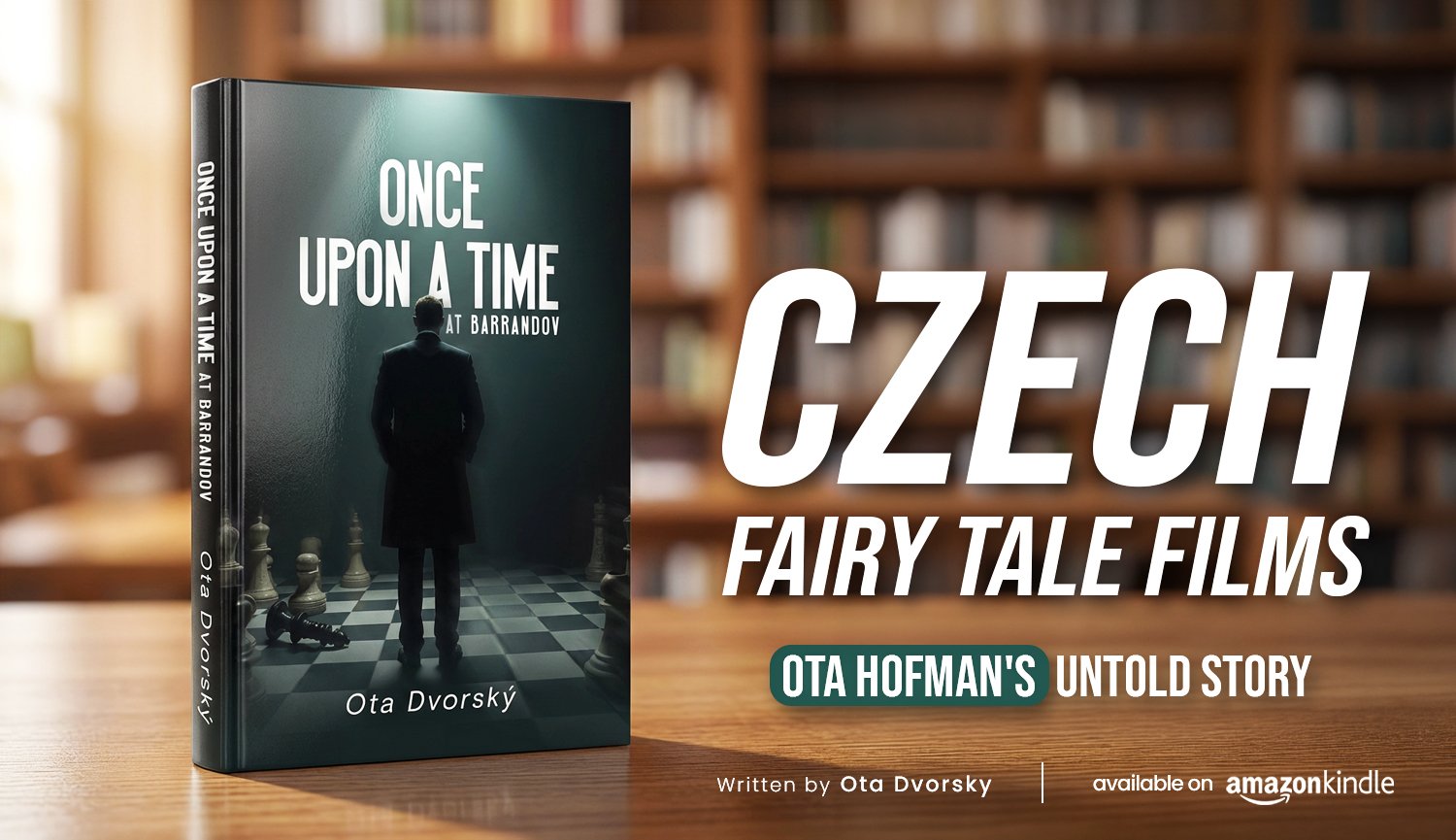
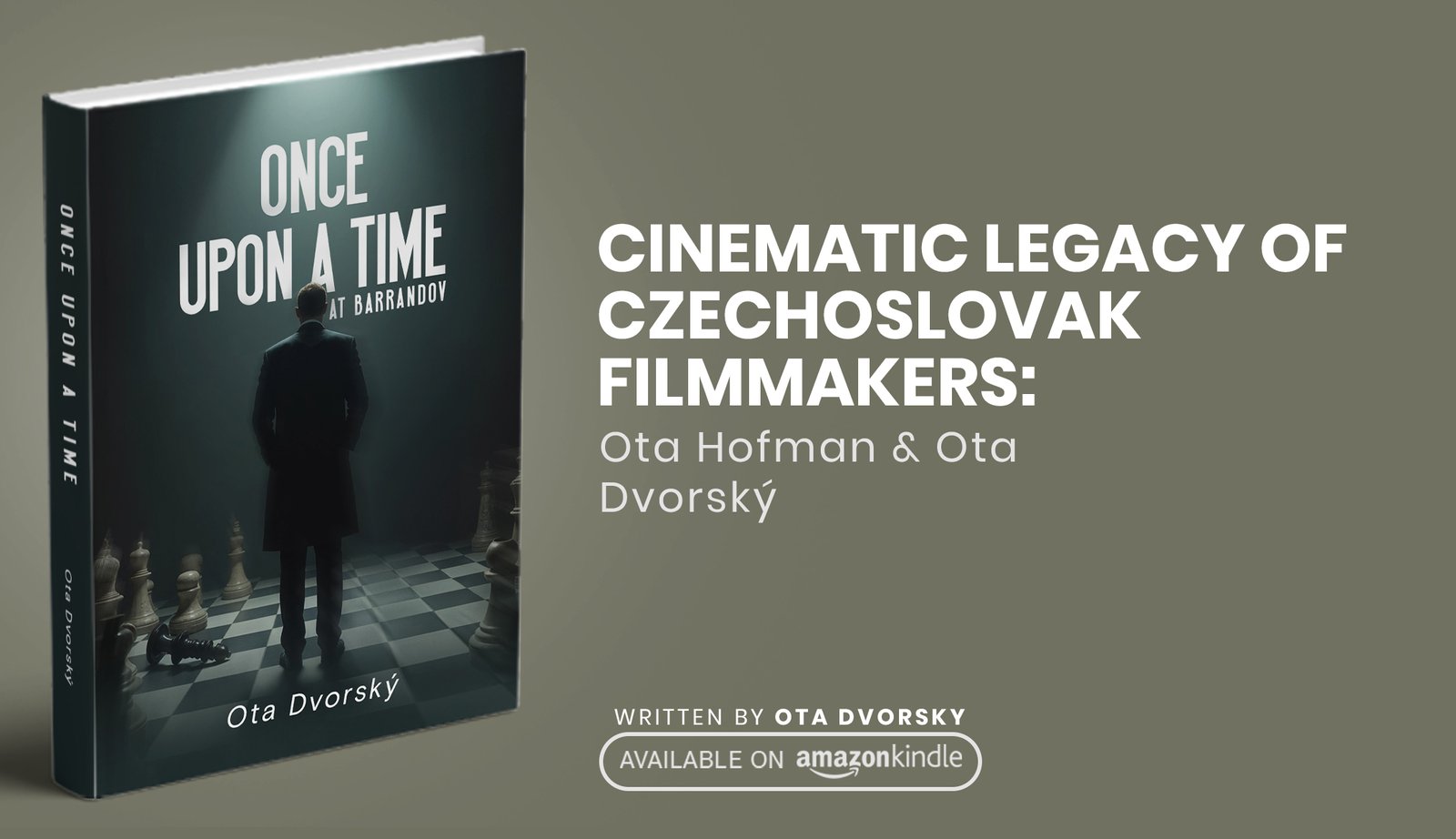
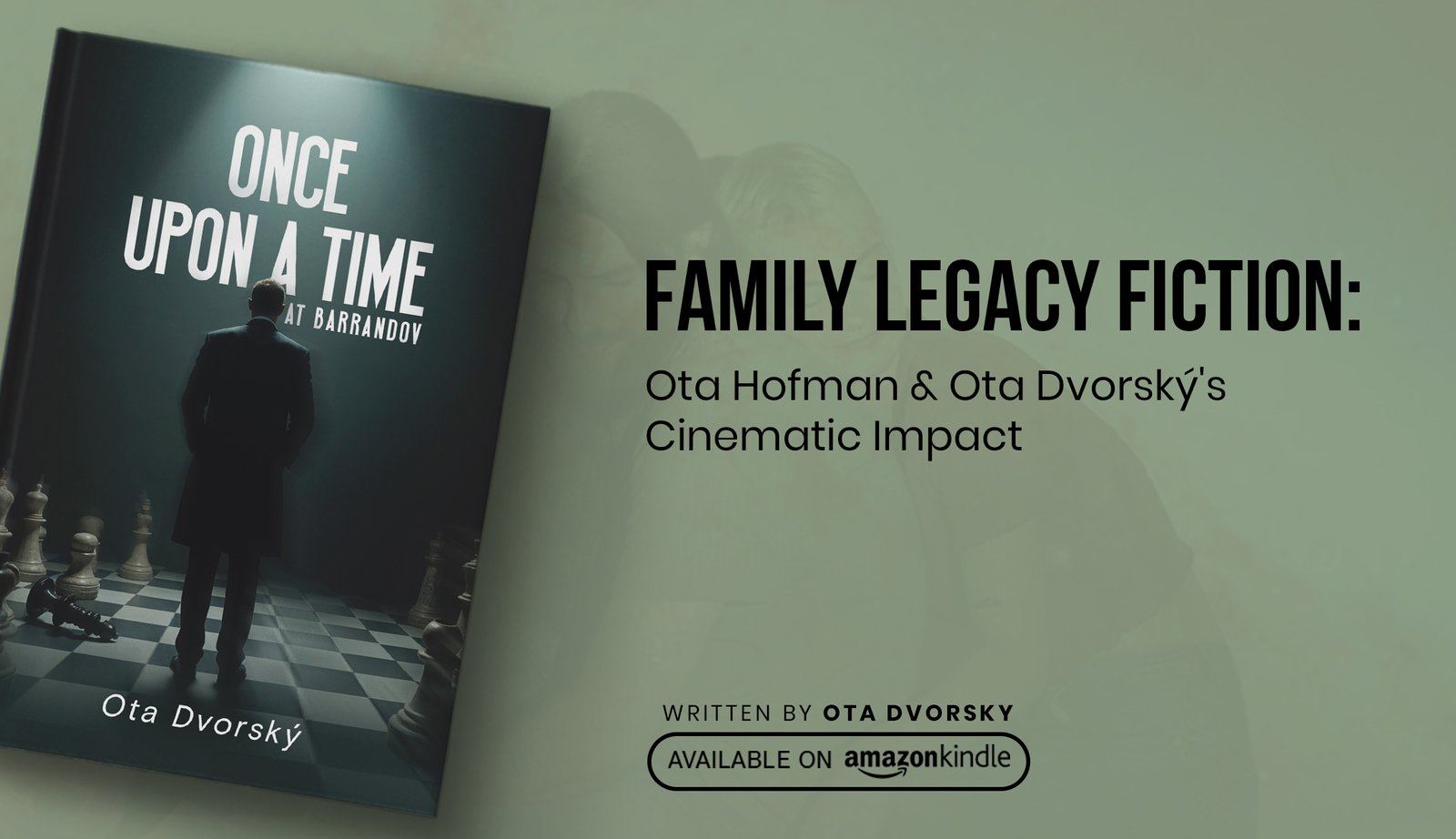
In Once Upon a Time at Barrandov, Ota Dvorský pays tribute to his father’s contribution to Czech cinema. The book serves not only as a memoir but as a documentation of a transformative era in film history.
Dvorský connects personal memory with national history, showing how his father’s work at Barrandov Studios reflected the broader cultural tensions of the 1960s and 1970s.
Through this tribute, Dvorský preserves a cinematic legacy that might otherwise fade into archival obscurity. His work demonstrates how family legacy stories sustain historical understanding across generations.
3. Family Legacy and Artistic Resistance
The shared legacy of Hofman and Dvorský embodies artistic resistance. Their historical fiction legacy themes center on integrity, perseverance, and cultural preservation.
During politically oppressive periods, artistic freedom becomes an act of quiet rebellion. Hofman’s films and Dvorský’s documentation both resist erasure, affirming that creative expression can endure even under constraint.
Their family journey underscores how personal legacy and artistic resistance intersect. By honoring truth through storytelling, they contributed to a broader cultural resilience within Czechoslovak cinema.
The Role of Legacy in Historical Fiction
Family legacy fiction plays a vital role in preserving historical authenticity. Personal family histories offer insights that official accounts often overlook.
Hofman and Dvorský’s cinematic contributions reveal how historical fiction legacy themes deepen our understanding of cultural transformation. Their experiences reflect the challenges faced by artists navigating oppressive regimes.
Through their legacy, we gain a nuanced view of how art interacts with politics and how family narratives ensure those stories survive.
Best Books on Family Legacy in Cinema
Readers interested in family legacy stories within cinema should explore Once Upon a Time at Barrandov, which offers a compelling portrait of Czech filmmaking history.
Other works examining legacy in history and artistic perseverance during politically turbulent times also provide valuable insight. Books that combine memoir with historical fiction themes often reveal how family narratives preserve cultural identity.
Where to Buy Legacy-Focused Fiction
Books like Once Upon a Time at Barrandov are available on platforms such as Amazon, as well as specialized bookstores focusing on cinema history and historical fiction.
Readers interested in family legacy fiction may also find curated selections at independent bookshops specializing in European cinema and Cold War era cultural studies.
Final Thoughts on Family Legacy and Cinema
Family legacy fiction offers a deeply personal lens through which to understand historical events. The contributions of Ota Hofman and Ota Dvorský continue to resonate within the legacy of Czech cinema.
Their story reminds us that art is never created in isolation. It carries the weight of family memory, cultural identity, and historical struggle. Through their cinematic impact, they demonstrate how family legacy stories shape both art and history.
FAQs
Q1: What is Family Legacy Fiction?
A1: Family legacy fiction centers on personal family histories and their lasting influence on cultural, historical, and artistic narratives. This is exemplified by Ota Hofman and Ota Dvorský’s contributions to Czechoslovak cinema.
Q2: How does Once Upon a Time at Barrandov explore family legacy?
A2: The book explores the personal and professional legacy of Ota Hofman through the eyes of his son, Ota Dvorský. It highlights their individual contributions to Czech cinema amidst political pressures.
Q3: Why is family legacy important in historical fiction?
A3: Family legacy brings personal depth to historical fiction, offering a unique perspective on political and cultural shifts. The stories of Hofman and Dvorský deepen our understanding of the challenges faced by artists in politically oppressive environments.
Q4: Are there other books on family legacy in cinema?
A4: Yes, books like Once Upon a Time at Barrandov focus on how family legacies in historical fiction help us understand the broader cultural and political landscapes.
Q5: Where can I find books about family legacy in historical fiction?
A5: These books are available on Amazon and through specialized bookstores that focus on historical fiction and cinema history.