Barrandov Studios was never just a physical location for filmmaking; it was a symbol of creative ambition operating within an atmosphere of political restraint. Known internationally as Studio Barrandov, it stood at the centre of Czechoslovak cinema during an era when artistic expression was tightly monitored and ideologically shaped. For the writers, filmmakers, and artists working there, creativity existed under constant negotiation, where imagination had to coexist with authority.
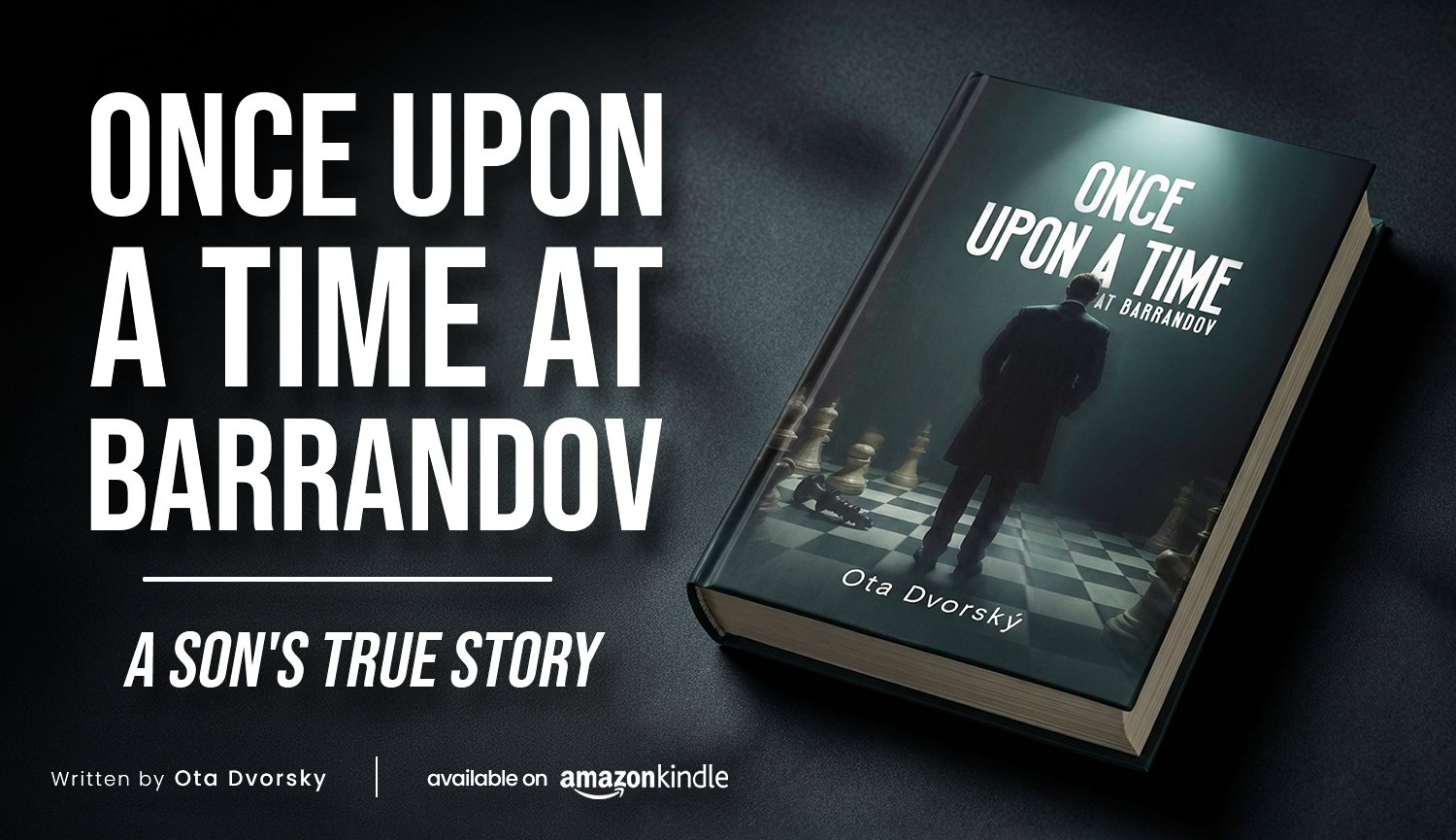
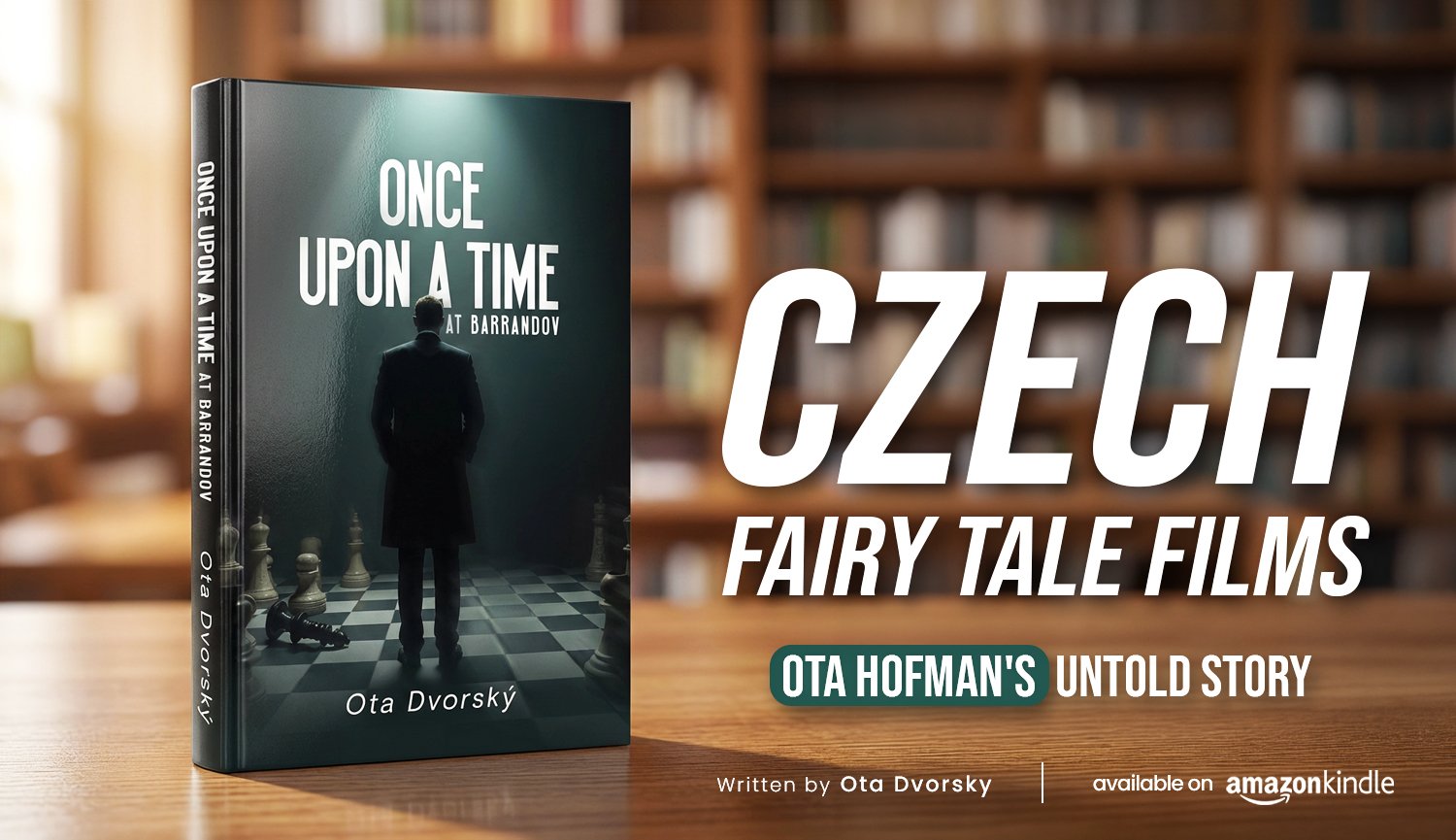
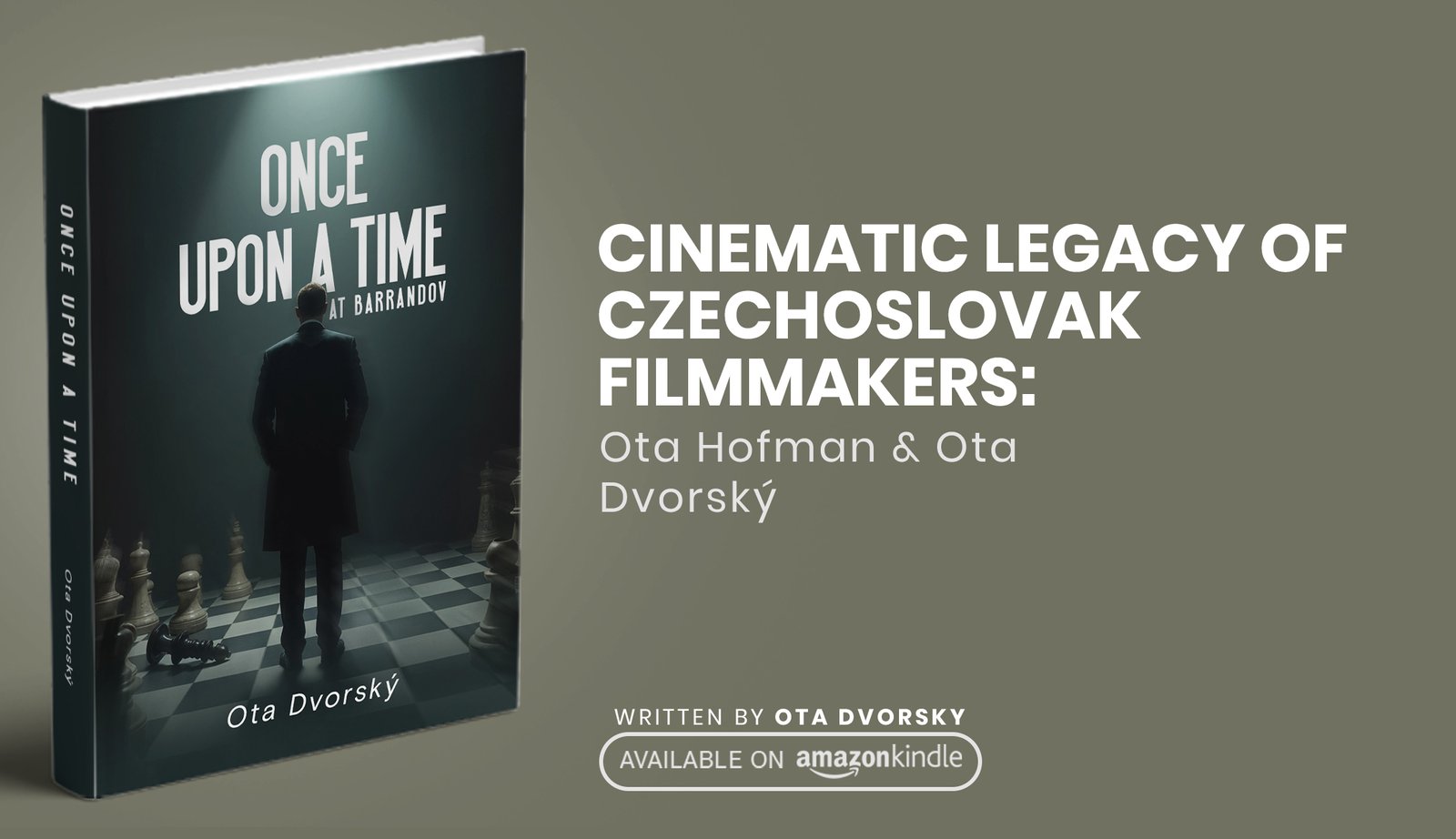
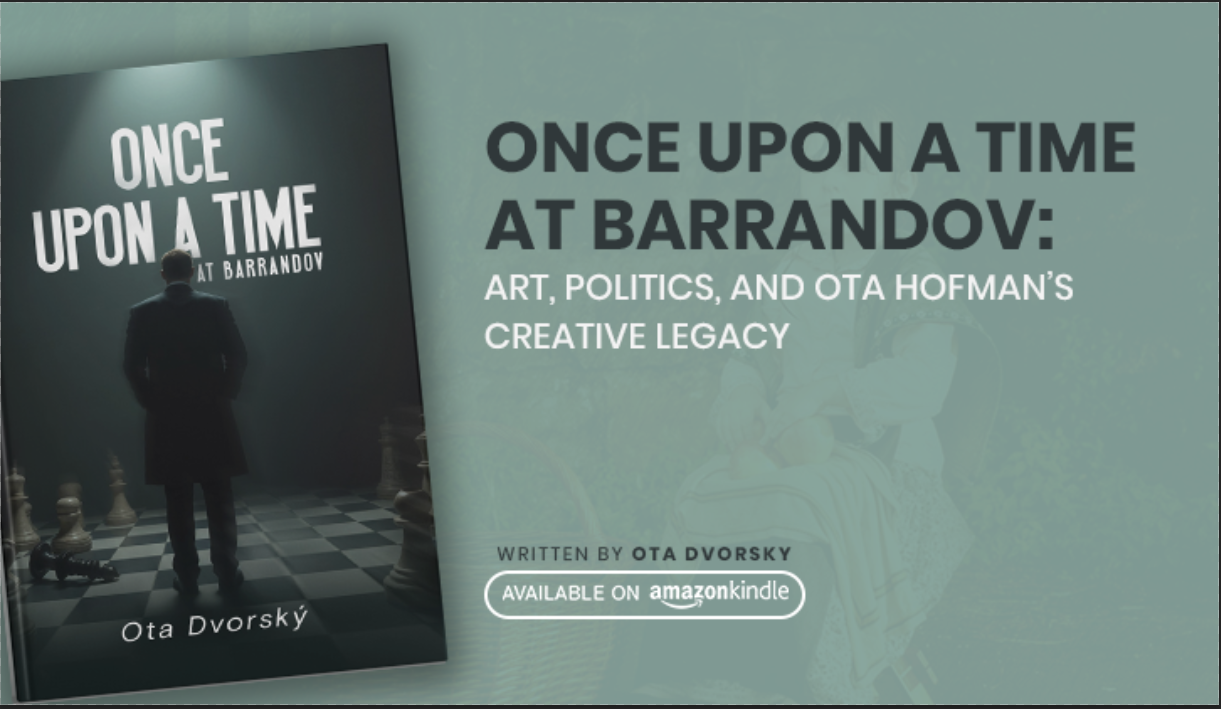
Ota Hofman was among the creatives who learned to survive within this reality. His career unfolded at the intersection of art and politics, where every story required subtlety, restraint, and emotional intelligence. Rather than producing overt political statements, Hofman focused on human experiences—fear, hope, morality, and resilience. Decades later, his son Ota Dvorský preserves this legacy through the historical fiction book Once Upon a Time at Barrandov. Through historical fiction, Dvorský captures not only events, but the emotional and cultural fabric of Czechoslovakia culture, ensuring these deeply human creative stories continue to resonate with modern readers.
Barrandov Studios Through Ota Hofman’s Eyes
Through Ota Hofman’s perspective, Barrandov Studios was a place of both promise and limitation. As the heart of national filmmaking, Studio Barrandov offered collaboration, creative exchange, and professional opportunity. At the same time, it was governed by strict oversight that shaped every stage of production. Scripts were reviewed repeatedly, themes were questioned, and even character motivations could become political concerns.
Daily life required constant awareness. Hofman and his colleagues learned how to express ideas indirectly, communicating meaning without triggering censorship. Quiet conversations, shared glances, and mutual understanding became essential forms of collaboration. These experiences reflected the broader reality of the arts and politics intersecting within a controlled cultural environment. Hofman’s work environment mirrored Czechoslovakia’s culture itself, where creativity survived not through open confrontation, but through adaptation, patience, and persistence. Barrandov became less a studio and more a testing ground for creative resilience.
Art and Politics in Hofman’s Work
The tension between art and politics shaped Ota Hofman’s storytelling at every level. Political authority influenced narrative structure, acceptable themes, and even emotional tone. Creativity was permitted only when it aligned with ideological expectations, forcing artists to rethink how stories could be told.
Hofman responded by grounding his work in universal human values rather than explicit commentary. Love, morality, fear, and hope became safe yet powerful tools. This approach illustrates how the arts and politics coexisted, often uneasily, within Czechoslovak creative life. Hofman’s determination to preserve meaning without confrontation demonstrates artistic integrity shaped by restraint. These complexities later find fuller expression through historical fiction, where suppressed nuance can finally be explored openly.
Creating Stories Under Censorship
Censorship demanded innovation rather than silence. Hofman relied on metaphor, symbolism, and layered storytelling to communicate ideas without explicit statements. A simple scene could carry multiple meanings, allowing audiences to recognize emotional truths while remaining invisible to authorities.
These techniques preserved creative stories even under restriction. Rather than weakening his work, limitations sharpened Hofman’s narrative discipline. In Once Upon a Time at Barrandov, Ota Dvorský consciously mirrors this storytelling approach. The historical fiction book adopts similar subtlety, ensuring the emotional and moral complexity of life under censorship remains intact. Through this continuity, the father’s creative methods live on through the son’s narrative voice.
A Brief Period of Creative Freedom
There were moments, brief but significant, when political conditions temporarily eased at Barrandov Studios. During these periods, artists experienced a rare sense of openness, allowing experimentation, narrative risk, and emotional honesty. For Hofman, these windows of freedom reaffirmed why storytelling mattered.
Although short-lived, these experiences left a lasting impact. They demonstrated what creativity could achieve without fear and highlighted what was lost when restrictions returned. In Once Upon a Time at Barrandov, these moments appear as fragile yet luminous contrasts within historical fiction. They emphasize both the possibility of artistic freedom and the emotional cost of its absence, deepening the reader’s understanding of creative survival.
Courage, Compromise, and Survival
Difficult choices shaped Hofman’s career. Open resistance threatened professional survival, while full compliance risked creative emptiness. His solution lay in compromise—preserving meaning while navigating political realities.
This balance required quiet courage. Hofman’s story reveals that survival itself can be an act of resistance. Each completed script, each preserved idea, represented persistence. In Dvorský’s retelling, these creative stories focus on humanity rather than ideology. They show how the arts and politics forced individuals into moral negotiation, emphasizing resilience over rebellion.
Fairy Tales as Hidden Messages
Fairy tales became one of Hofman’s most powerful tools. On the surface, they appeared innocent and apolitical. Beneath that simplicity lay moral lessons, emotional truths, and subtle resistance. These stories avoided scrutiny while nurturing imagination and ethical reflection.
This storytelling tradition became a hallmark of Czechoslovakia culture, allowing creativity to survive without confrontation. In Once Upon a Time at Barrandov, Dvorský preserves this narrative strategy. Fairy tales remain vessels for hope, illustrating how imagination communicates meaning even when direct expression is impossible.
Why Historical Fiction Works Best
Historical fiction allows stories like Hofman’s to be told with emotional depth rather than detached observation. Traditional history records events; it rarely captures fear, uncertainty, or moral compromise. A historical fiction book bridges that gap by immersing readers in lived experience.
In Once Upon a Time at Barrandov, art and politics are not abstract forces; they shape daily decisions, relationships, and creative output. Through narrative, readers experience the weight of censorship and the relief of creative expression. Historical fiction transforms political history into a human story, making resilience tangible.
This approach ensures Hofman’s legacy remains relatable. Rather than fading into archival memory, his experiences continue to speak to modern readers. Through historical fiction, creativity, courage, and survival remain emotionally accessible and enduring.
Ota Dvorský Carrying the Legacy Forward
Ota Dvorský carries his father’s legacy forward by transforming memory into historical fiction. Through Once Upon a Time at Barrandov, he honors Hofman’s creative courage while presenting it in a form that resonates today. His work ensures these creative stories continue to inspire reflection on imagination, resilience, and moral integrity.
Conclusion
While Barrandov Studios provides the setting, the heart of this story lies in human resilience. Ota Hofman’s creative journey demonstrates that imagination survives even under pressure. Through subtle storytelling and quiet courage, he preserved meaning where silence was expected.
Ota Dvorský’s Once Upon a Time at Barrandov ensures this legacy endures. Through historical fiction, the novel affirms that creativity, courage, and cultural memory withstand political constraint. These stories remind readers why imagination matters, especially when it is most threatened.
FAQs
Who was Ota Hofman?
Czechoslovak filmmaker and storyteller at Barrandov Studios who createdinnovative works under political pressure.
How did political pressure affect his creativity?
Censorship forced Hofman to use metaphor, symbolism, and subtlemessaging to preserve artistic integrity.
How does Ota Dvorský continue his father’s legacy?
Through the historical fiction book Once Upon a Time at Barrandov, sharing
Hofman’s stories with new generations.
Why were fairy tales important in his work?
They allowed conveying hope, morality, and subtle resistance without
attracting censorship.
Why is historical fiction the best way to tell this story?
It captures emotional truth, personal struggles, and resilience, making
Hofman’s story is engaging and relatable.